
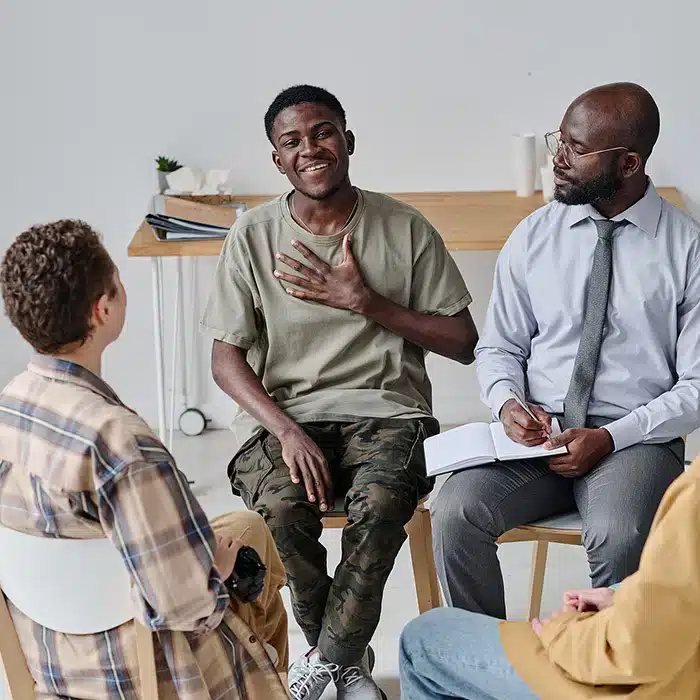
Mental health challenges can affect much more than thoughts and emotions. For some people, they can make it harder to manage responsibilities, develop everyday skills, connect with others, or participate fully in their communities. A Community-Based Psychiatric Rehabilitation Program can address these practical challenges while helping participants work toward their individual recovery goals. At Paragon Health Services, psychiatric rehabilitation is designed for adults, children, and adolescents who need support improving daily functioning and becoming more independent.
Mental Health Recovery Includes Everyday Functioning
Someone can receive mental health treatment and still struggle with parts of everyday life. Knowing that distinction can help families understand the purpose of psychiatric rehabilitation.
Psychiatric rehabilitation focuses on helping people strengthen skills, improve daily functioning, and become more independent. The community-based approach also allows participants to receive support within their communities rather than separating rehabilitation from the places where everyday life happens.
This focus makes practical functioning an important part of recovery. A person may need support developing skills that help with greater autonomy or community participation. The program can address those needs according to the individual’s circumstances.
Rehabilitation Starts with an Individual Plan
People experiencing mental health challenges do not necessarily struggle with the same tasks or share the same goals. Paragon Health Services uses personalized rehabilitation plans rather than assuming every participant needs identical support.
Eligibility includes having a mental health condition and a need for rehabilitation services to improve daily functioning. Enrollment involves an initial assessment, required documentation, and development of a personalized plan. Staff also assist with the application process, eligibility determination, and connections to providers.
This individualized approach gives rehabilitation a clear purpose. Instead of focusing on a general idea of improvement, services can address the participant’s own needs and recovery goals.
Practical Skills Can Become Part of Mental Health Recovery
Daily tasks that seem routine to one person can become significant obstacles for someone whose mental health condition has affected their ability to function independently.
The Community-Based Psychiatric Rehabilitation Program includes skill development in areas such as cooking and budgeting. Vocational training is also listed as part of the program. These services are intended to provide participants with tools for independent living and professional success.
Practical skills matter because greater independence is often built through everyday actions. Being able to handle more responsibilities can help a person participate more fully in daily and community life.
Individual and Group Support Serve Different Purposes
Rehabilitation does not have to happen in isolation. The program includes both individual support and opportunities to interact with others.
Individual support services include personalized care plans and one-on-one counseling tailored to the participant’s needs and goals. Group counseling and social activities provide opportunities for participants to connect with peers while developing social skills.
The program also includes peer support and mentoring. Workshops and seminars are available to increase participants’ understanding of their mental health conditions and promote mental health awareness.
Together, these services allow rehabilitation to address both personal goals and a participant’s ability to connect with other people.
Community Participation Is Part of the Bigger Picture
One of the defining features of a Community-Based Psychiatric Rehabilitation Program is its emphasis on functioning within the community. The purpose is not simply to work on skills in isolation. Psychiatric rehabilitation is intended to help participants use those skills as they work toward greater independence and community integration.
For someone whose mental health condition has limited participation in everyday life, rebuilding that connection can be an important part of recovery. Progress may take time, and the appropriate goals will differ for each participant.
The duration of the program reflects those differences. Paragon’s website explains that some participants may complete the program within a few months, while others may benefit from longer involvement depending on their needs and progress.
Families May Participate When Appropriate
Mental health recovery can affect the entire family, but participation should still respect the client’s preferences and circumstances.
Family members are encouraged to participate in the rehabilitation process when doing so is appropriate and the client has approved their involvement.
That distinction matters. Family participation is not automatically imposed on every participant. Instead, it can become part of the rehabilitation process when appropriate for the individual receiving services.
Support Does Not Necessarily End with Program Completion
Making progress during a rehabilitation program is one step. Maintaining that progress after completion can present another challenge.
Paragon Health Services provides ongoing support following program completion, including follow-up services and regular check-ins. Continued care is intended to help participants maintain progress and connect with support networks that encourage long-term recovery and community integration.
The program also provides 24/7 crisis intervention during acute mental health episodes. According to the service page, this includes immediate assistance and development of emergency response plans.
Knowing When Psychiatric Rehabilitation May Be Appropriate
A mental health diagnosis alone does not describe everything a person may be experiencing. Families may notice that the condition is interfering with everyday functioning, independence, social interaction, or the ability to participate fully in community life.
That is where psychiatric rehabilitation has a specific role. Paragon’s program serves people with mental health disorders that have impaired their ability to function fully in the community. The program addresses several mental health conditions, including depression, anxiety, bipolar disorder, schizophrenia, and PTSD.
A Community-Based Psychiatric Rehabilitation Program can help connect mental health recovery with the practical realities of everyday life. Through personalized planning, individual and group support, skill development, education, peer support, and continued follow-up, participants can work toward goals that are meaningful to them.
Paragon Health Services provides this program for adults, children, and adolescents, with services tailored to individual needs. For a person whose mental health challenges are interfering with daily functioning, psychiatric rehabilitation can provide structured support for building skills, increasing independence, and becoming more engaged in community life.
Paragon Health Services provides a pathway to better Mental Health and Community Integration through our programs for Psychiatric Rehabilitation, Substance Use Disorder, and our Outpatient Mental Health Clinic. We also offer services for the treatment of Depression, Anxiety, Schizophrenia, and Bipolar Disorder, as well as Individual Rehabilitation Programs.
We serve adults, children, and adolescents with mental health disorders in White Marsh and all of Maryland but focus primarily in the Baltimore Metro area. Call today to learn more: (410) 759-4777

We are truly invested in getting people to a better place in every way possible. Our outcome-driven programming and support is geared to address living, working, and social functioning so that individuals may tap into their strengths, rehabilitate, and experience a bright future.
In addition to providing wraparound support for clients, we are also passionate about supporting Social Workers, Placement Coordinators, Hospital Staff, and Families. We know that when we come together as a team, the entire community gets better.
- Psychiatric Rehabilitation and Everyday Life - October 5, 2026
- Managing Life with Bipolar Disorder: What Treatment Can Look Like - September 16, 2026
- When Everyday Tasks Start to Feel Different: Signs Schizophrenia Treatment May Be Needed - September 3, 2026